
For many children, the home is the first nurturing environment and parents are the first educators. One of the biggest parts of the transition to kindergarten can be moving from this familiar and safe learning environment to a new school environment.
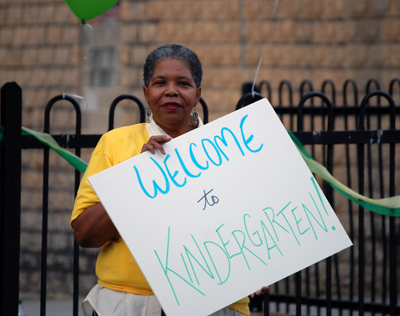 For both parents and children, the transition to kindergarten means a transition to a new place and new people. If they feel welcome in this new environment, they are more likely to be active participants in it. Most importantly, children who feel welcome in their first school environment are more likely to foster a love of learning throughout their lives.
What Is A Welcoming School?
Schools that are welcoming make sure that both the school building and school staff accommodate the needs of both children and parents. These needs range from navigating the building to feeling safe and invited in a classroom.
The signage and layout of the school building can play a major role in welcoming children and parents, especially on or before the first day of kindergarten. For the first day of class, some schools have marked paths to classrooms by placing frog footprints in the school hallways. Clear signage in the parking lot (for parent parking) and at the school entrance can also play an important role in including parents in their children’s school experience.
Most importantly, a welcoming school establishes positive relationships between children, parents, and school staff. School staff can make a positive first impression by expressing their enthusiasm for meeting and working with children and parents. All staff who work in a school can help to create a welcoming atmosphere: a smiling face in the hall goes a long way.
Why Welcoming Teams Matter
When parents feel unwelcome at school, they are less likely to come into the school and may be less likely to bring their children to school. Children who experience anxiety about school have lower attendance rates, lower levels of academic achievement, and higher long-term difficulties such as dropping out. Creating safe and welcoming schools insures that the environment makes children feel comfortable so they can focus on learning.
Creating Welcoming Schools
The little things count! Small details that might seem unimportant, like the way that school staff answer the phone or the way a parent signs in to meet with a teacher, can have big effects on how parents and their children feel about their places within the school.
Put yourself in a child or parent’s shoes. Imagine that you are entering the school for the first time. What does it feel like? As a parent, would you know where to park, where to sign in, or who to talk to? Who would you see, and how do they greet you? As a child, would you be excited to enter the school? Does your classroom seem fun? Is your teacher welcoming?
When we asked parents to describe what they thought a welcoming school should look like, they mentioned children’s art work and other images in the halls, smiling faces, and friendly, attentive staff.
Involve children and parents in decorating the school. Including children and parents in this process encourages them to be involved in other aspects of a child’s education at the school. This inclusion can increase a child’s sense of ownership of the school experience, especially if he creates some of the decorations (such as drawings or art projects).
Offer professional development on welcoming and engagement practices. If you are interested in technical assistance or training for this kind of development, the Ready Freddy team would love to hear from you. Click here to contact us for more information.