
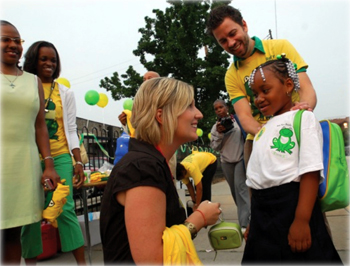
 In 2006, through generous funding from The Heinz Endowments, the University of Pittsburgh Office of Child Development began working to improve school readiness in low-income urban communities.
The Ready Freddy Program was created in collaboration with Pittsburgh Public Schools, engaged parents and multiple community partners. Early success came in the form of dramatic increases in enrollment numbers. Before any intervention, school administrators and teachers reported that 75% of eligible children were not enrolled in kindergarten on time. We know from the research that when children enroll late and are chronically absent, they miss critical components of early learning and are at greater risk for failing and dropping out. To address these low enrollment numbers, parents, school personnel, early childhood centers, and community agencies worked together to reach out to families and raise community awareness. The result: on-time enrollment tripled in just one year!
Why Transition?
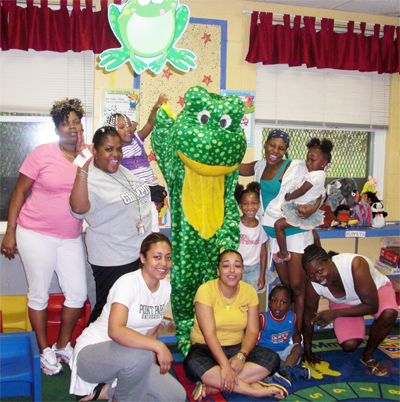 A child’s transition into kindergarten sets the tone for her educational experience for many years to come. On the first day of school, every kindergarten child should walk into the classroom feeling excited, ready to learn, and supported by the school, their parents, and their community. Children flourish and learn best in the context of strong and supportive relationships. Unfortunately, almost 50% of children struggle with the transition to kindergarten.
Relationships are the best predictors of school success.
Typically, efforts to enhance school readiness are focused on academic skills and social emotional development. Unfortunately, neither is the best predictor of school success. More important is the quality of the relationship between the kindergarten teacher and the child’s preschool caregiver.
The Ready Freddy Program
Elements of the Ready Freddy Program were developed over multiple years in collaboration with schools, parents, and community members. They are: